
Live-In Care Case Study in the UK
Explore our comprehensive case study on live-in care services in the United Kingdom. Discover how live-in care can enhance quality of life and provide essential support for individuals seeking home care solutions.
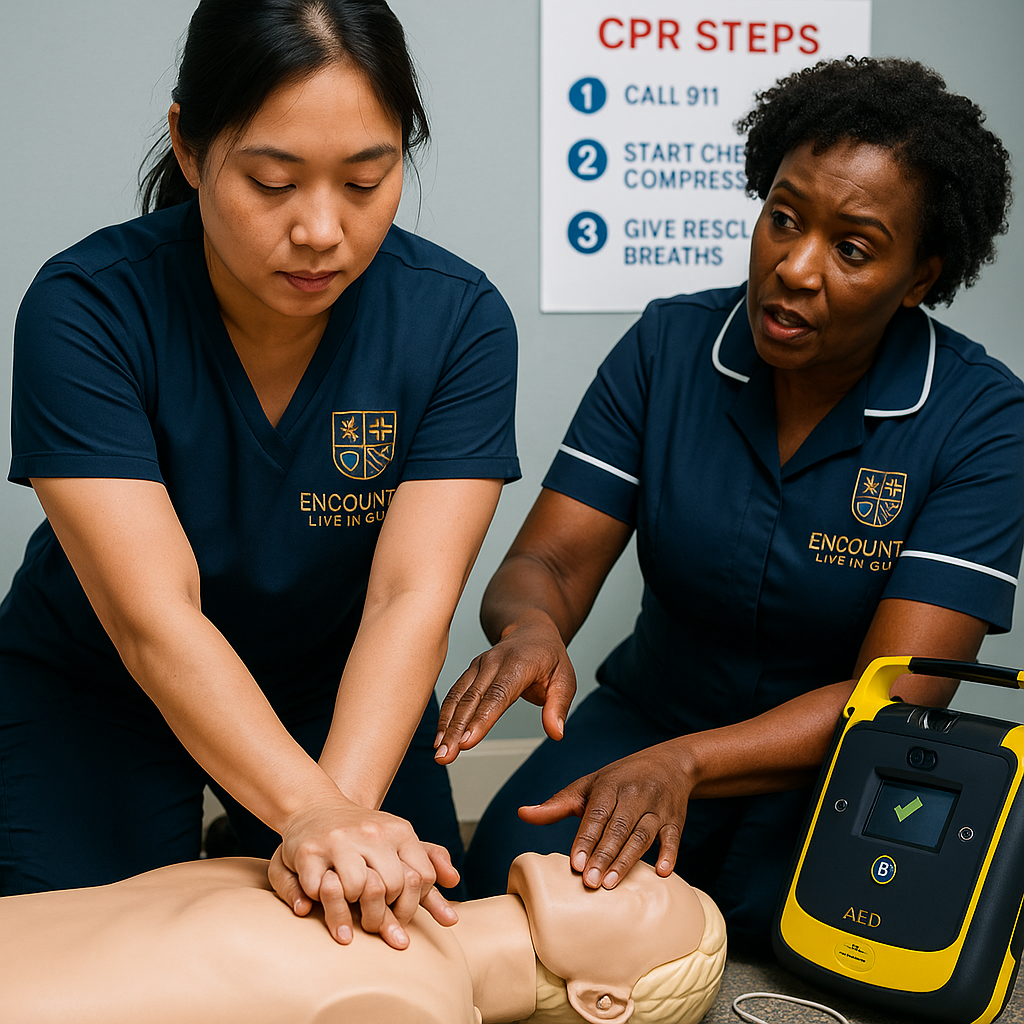
Live-in care support has emerged as a crucial component of the UK’s healthcare landscape, providing tailored assistance to individuals who require ongoing care. As the population ages, the demand for live-in care continues to rise. Demographic trends, such as the increasing number of elderly individuals and the growing prevalence of chronic health conditions, significantly influence this demand. Live-in care support allows for individuals to remain in their familiar surroundings while receiving the necessary assistance, which can lead to improved emotional well-being and comfort.
Live-in caregivers offer a variety of essential support services, including personal care, medication management, companionship, and assistance with daily living activities such as cooking and cleaning. Unlike traditional care options, which may involve sporadic visits from health professionals, live-in care provides round-the-clock support from a dedicated caregiver. This continuous presence can foster a strong caregiver-client relationship, enhancing the care experience.
Several scenarios highlight the necessity of live-in care support. For instance, individuals recovering from surgery or managing progressive illnesses may find that having a caregiver on-site significantly aids in their healing process. Similarly, those living with dementia or other cognitive impairments often benefit from the consistency of live-in care, which helps maintain their routines and reduces confusion. The advantages extend beyond the clients; caregivers themselves experience enriched job satisfaction through building meaningful relationships, contributing to better retention rates in the workforce.
Ultimately, live-in care support posits itself as not just a service but a holistic approach toward enhancing the quality of life for both clients and caregivers. As societal needs evolve, understanding the significance of live-in care becomes essential for shaping the future of care provision in the UK.
A Case Study: Current Trends in Live-In Care
Live-in care in the UK is emerging as a vital alternative to traditional care solutions, driven by a rising demand for personalized and home-based support. With an increasing aging population, families are seeking options that provide not only physical assistance but also emotional and social companionship for their loved ones. A case study exploring Encounter Live-In Support illustrates current trends as well as challenges in the live-in care industry.
For instance, consider the Smith family, who opted for live-in care for their elderly mother, who suffers from dementia. They highlighted the benefits of having a dedicated caregiver who not only managed daily activities but also offered companionship. This arrangement not only preserved their mother’s comfort at home but also allowed the family to manage their busy lives while ensuring she received the care she needed. Such real-life examples show how live-in care fosters a sense of independence and dignity among clients.
However, the live-in care sector also faces significant challenges. Regulatory hurdles pose a barrier to efficient service delivery, as new regulations can burden care providers and lead to increased costs. The shortage of qualified caregivers in the UK further complicates the situation, making it difficult to meet the demand for live-in support services. Caregivers often report high levels of stress due to demanding workloads, which can affect both their well-being and the quality of care provided.
Despite these challenges, families continue to embrace live-in care as a viable solution, recognizing the importance of continuity and individualized attention that a dedicated caregiver can offer. This illustrates not only the necessity of addressing the current obstacles within the industry but also the potential for growth as demand increases.
Encounter Live-In: Solutions for Future Private Clients
Encounter Live-In has emerged as a pivotal provider in the live-in care market within the UK, meeting a growing demand for tailored, compassionate care among private clients. Central to Encounter Live-In's service offering is the development of personalized care plans that cater to the unique needs of each individual. This proactive approach ensures that care is not just standardized but specifically tailored to accommodate the preferences and requirements of the client, facilitating a more comfortable living experience.
The selection of skilled caregivers is fundamental to the success of the care provided by Encounter Live-In. Each caregiver is carefully vetted, trained, and matched to clients based on their specific needs and backgrounds, ensuring compatibility and a high standard of care. This attention to detail in caregiver-client pairing not only enhances the quality of care but also fosters trust and rapport between caregivers and clients.
Another significant aspect of Encounter Live-In's services is their commitment to seamless integration with existing health systems. This integration is critical as many future clients are often concerned about how live-in care will fit with their current health care arrangements. By working closely with healthcare professionals, Encounter Live-In creates connections that facilitate communication and ensure that care plans are continuously updated, thus addressing any ongoing health needs effectively.
Furthermore, clients often express concerns related to the emotional aspects of care, such as loneliness or the challenge of adjusting to new living arrangements. Encounter Live-In counters this by fostering a client-centered approach that prioritizes companionship and social engagement. Through regular activities and emotional support, they strive to create a nurturing environment that allows clients to feel valued and cared for.
Overall, the innovative solutions and comprehensive services offered by Encounter Live-In not only address the immediate needs of potential clients but also pave the way for a more responsive, effective model of live-in care in the future.
The Road Ahead: Trends and Innovations in Live-In Care
As the landscape of live-in care continues to evolve, several key trends and innovations are expected to shape the industry in the coming years. One significant trend is the increasing reliance on technology to enhance caregiving services. The use of wearable health devices, remote monitoring systems, and mobile applications is transforming how caregivers and families interact with patients, ensuring a more proactive approach to health management. By utilizing technology, care providers can obtain real-time data about clients’ well-being, enabling timely interventions and more personalized care plans.
Telehealth integration marks another pivotal shift in live-in care, especially following the initial challenges posed by the COVID-19 pandemic. Virtual consultations allow caregivers to easily coordinate with healthcare professionals, thereby bridging the gap between home care and necessary medical services. This innovation not only ensures the continuity of care but also provides a convenient solution for clients who may find it difficult to travel for medical appointments.
The roles of caregivers are also evolving as the demand for specialized skills grows. As the UK population ages, there is a greater need for caregivers who are adept at managing complex medical conditions alongside personal support. Training programs that focus on specific healthcare competencies and emotional intelligence skills are becoming increasingly valuable. This shift will encourage a higher standard of care and greater job satisfaction among caregivers, which, in turn, will significantly benefit clients.
Encounter Live-In Support is committed to embracing these trends and innovations. By prioritizing technological adaptation and enhancing caregiver training, the organization aims to enrich the quality of service offered to clients. As the demand for live-in care rises, Encounter Live-In plans to distinguish itself by responding to emergent needs with agility and a steadfast focus on delivering high-quality, compassionate care. This forward-thinking approach positions Encounter Live-In not just to survive but to thrive in the dynamic environment of live-in care.

Address
43-45 Sanders Road, Wellingborough,
Northampton, NN8 4NL
Contacts
Mobile:07378569338
Email: info@encounterlivein.com